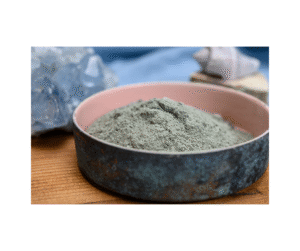
So, How Can Animals Benefit From Green Clay?
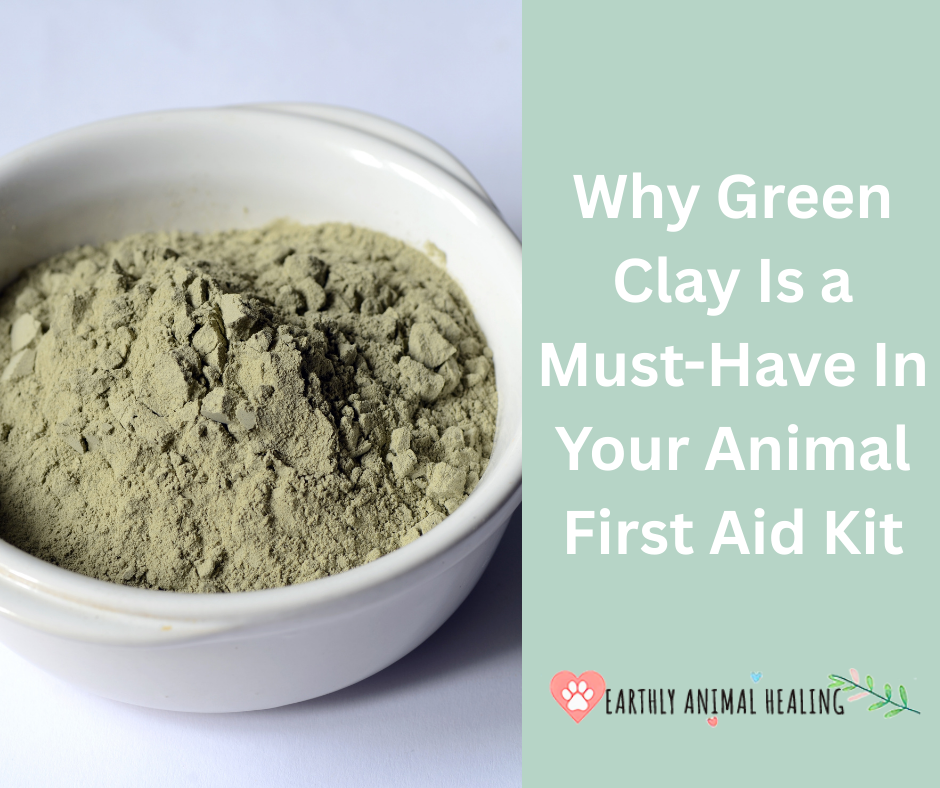
Green clay offers many valuable properties and uses, such as:
 Drawing properties: Green clay can aid in drawing out infections from wounds and abscesses, helping promote effective healing.
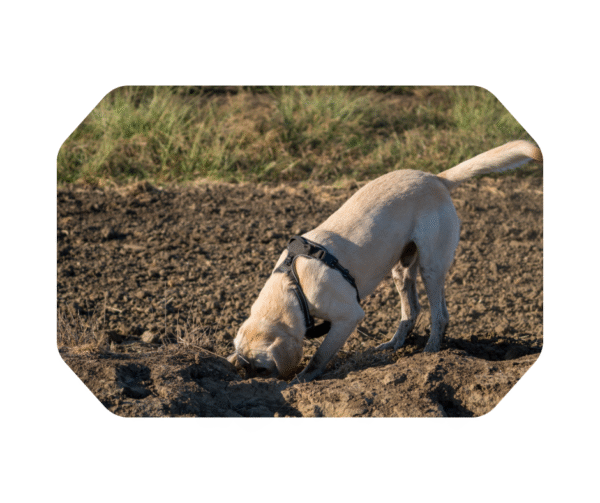
Rich in minerals: Packed with essential minerals, green clay is often selected orally by animals for its health benefits.
Physical barrier: When mixed with a little water or hydrosol (chosen by the animal) into a thick paste and applied topically, green clay forms a protective layer over the skin or the wound and protects it from flies, bugs and fungi. It can also help shield and protect from the suns UV rays.
Neutralises toxins: Green clay can aid in neutralising toxins in the body, controlling internal parasites naturally, and supporting the body’s natural detoxification processes.
How Can You Make a Natural Clay Topical For Your Animal?
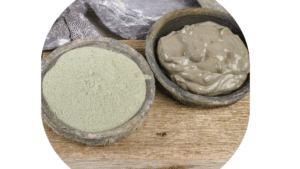 hydrosol (make sure your animal agrees with your choice, and allow them to pick the hydrosol) to create a paste. It can be as thick or thin as you need it, thicker for infection drawing and protective properties and thinner/runnier for more itchy skin, inflamed areas.
 Ensure Your Animal Is Comfortable With The Topical Application…
It’s important to ensure your animal is comfortable with both the topical product and the application process before proceeding. By offering the topical in a gentle, mindful way, you give your animal a voice and allow them to be part of the process, they instinctively know what they need to heal.
Start by letting your animal sniff or see the natural topical you’ve made; some may even want to have a little lick of it. Then, slowly approach the affected area and observe their reaction while holding over the area for a few seconds. If your animal remains relaxed and seems happy for you to apply, you can then proceed. However, if they move away, do not apply it, you may want to check if the hydrosol you’ve selected is their preferred choice, or offer alternatives such as dry green clay powder or a clay mixture of just clay mixed with a little water.
Always let your animal guide you, they are deeply in tune with their own needs and know what is best for themselves.
Top Tips:
- Adding a little cold pressed vegetable oil such as sunflower oil or calendula macerate can help keep the clay moist if you are wanting to make a small batch to store it in the fridge.
- For oozing areas make sure to carefully clean the area before each application, you may consider using either, colloidal silver, hydrosols (chosen by the animal), cool boiled salt water or luecillian spray.
- For quick use and areas that are particularly itchy or inflamed and in need of drying out, you can simply dust some of the dry green clay powder using a clean cotton wool ball/pad or brush directly to the affected area.
- If the clay starts to thicken, then add a little more water or hydrosol to the mixture until you’ve reached the desired consistency.
- Always offer green clay to your animal on a self-selection basis, this means it is not added to their food and should always be a choice, be guided by your animal.
❗️Safety first!
People with pacemakers should not use/handle green clay as it may disrupt magnets.
If your animal is taking pharmaceuticals always seek professional advice before using green clay.
Seeking More Personalised Holistic Support For Your Animal?
I’m here to help, you can reach out to me directly by emailing: fliss@earthlyanimalhealing.co.uk
By Felicity Stenson – | Earthly Animal Healing