One issue our animals may face is worms or internal parasites. However, many people don’t realise that conventional de-worming drugs can have potential harmful side effects and put extra strain on the body’s detoxification system. As a result, more people are choosing to turn to natural worming programs and adopting a preventative approach to parasite management.
Firstly, let’s take a look at some of the symptoms we may see if your animal has worms:
- Diarrhoea / chronic soft stools
- Scooting or rubbing hind end
- Irritation or scratching around the anus
- Loss of appetite or increased appetite
- Weight loss or failure to gain weight
- Distended abdomen
- Coughing
- Visible appearance of worms in stools
- Bloody stools
- Lethargy
- Vomiting
- Pale gums
- Changes in behaviour
- Dull coat
Faecal Worm Count Testing:
Regular worm count testing is a crucial part of any natural worming program. You can easily perform these tests by ordering an at-home kit from an online laboratory such as
Feclab. A faecal egg count test helps determine if internal parasite eggs are present in a stool sample, and how many there are. It can also identify the types of worms or parasites present, allowing you to create a targeted treatment plan.
This approach allows you to treat worms only when necessary. After a positive test result, you can choose to use a chemical wormer or opt for natural methods, then re-test after a few weeks to assess their effectiveness. By only treating when needed, you can significantly reduce your animal’s exposure to chemical wormers and their potential harmful side effects.
What holistic methods can help?
One of the most important things is to provide your animal with a healthy, high-quality, species-appropriate diet to support in building a strong immune system. A robust immune system can actually produce its own specialised antibodies that can help fight off worms.
Holistic approaches can involve using herbal supplements, natural remedies, and maintaining good hygiene and pasture management to reduce the risk of parasite infection.
No matter what you’re feeding your animal, there are many natural additions—such as specific foods and herbs—that can help support healthy intestinal hygiene.
Below, I’ll discuss some options you can consider:
Pumpkin seeds (ground) can be offered to dogs and horses/ponies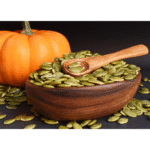
Pumpkin seeds have an important anthelmintic property. They contain an amino acid called cucurbitacin, said to work by disrupting the nervous system of worms, paralysing them s they can then be expelled out of the body. In addition, pumpkins seeds are also rich in protein, healthy fats and important minerals, making them a nutritious addition.
Grated vegetables can be given to dogs and horses/ponies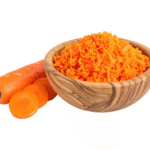
Adding certain grated vegetables such as carrot to your animal’s diet can help make their digestive system less welcoming to unwanted guests.
Give access to rough grasses (cats and dogs)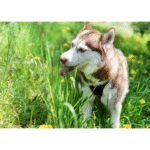
Allow your animal to select and eat coarse grass, the indigestible fibres in the grasses can help physically ‘scrape’ the walls of the stomach and gut during digestion. This process can possibly help in the removal of any internal parasites clinging to the intestinal wall.
Offer green clay for self-selection (dogs and horses/ponies)
Clay is a powerful natural healing agent that supports the body’s own natural
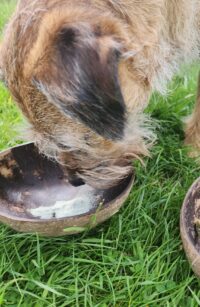
healing processes. In the wild, animals often seek out clay for its mineral content, to neutralise toxins, and to help control worm load.
For horses, you can add about 1/2 cup of pure dried green clay to a bucket of water and allow them to self-select as needed. Refresh the clay water daily and always ensure they have access to plain water as well.
For dogs, offer around 1 teaspoon of pure dried green clay in a small bowl. Add a little water so some parts are dry and some are wet, then let your dog choose if they want to take any. If they show interest, you can offer this daily for about a week.
Do not add clay to your animal’s food; it should always be offered separately so they can choose to take it if they wish. Self-selection is important to ensure they choose only what they need.
❗️Caution – clay may disrupt magnets so people with pacemakers should not use or handle it.
Do not use in conjunction with any conventional medicine without professional advice.
Natural supplements & remedies: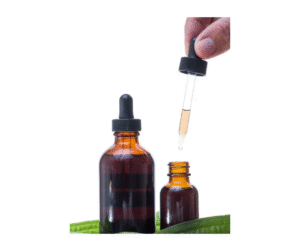
Natural supplements and remedies can play a supportive role in maintaining your animal’s intestinal health and overall wellbeing. They can be chosen to be used as a natural alternative following a positive test result.
I’ve included some options below:

By following a natural worming program, you take a proactive role in protecting and supporting your animal’s health and well-being. Choosing a more natural approach can greatly reduce your animal’s exposure to chemicals and any potential side effects.
If you are unsure or have concerns, it’s always best to seek advice from a holistic veterinarian or consult a holistic wellness practitioner like myself for personalised support.
By Felicity Stenson | Earthly Animal Healing




Leave A Comment